Our Nabire and Kaimana Whale Shark Experience
Bagans, local boats, sightings and lessons from traveling through Papua
Nabire: possible year-round, but timing still matters
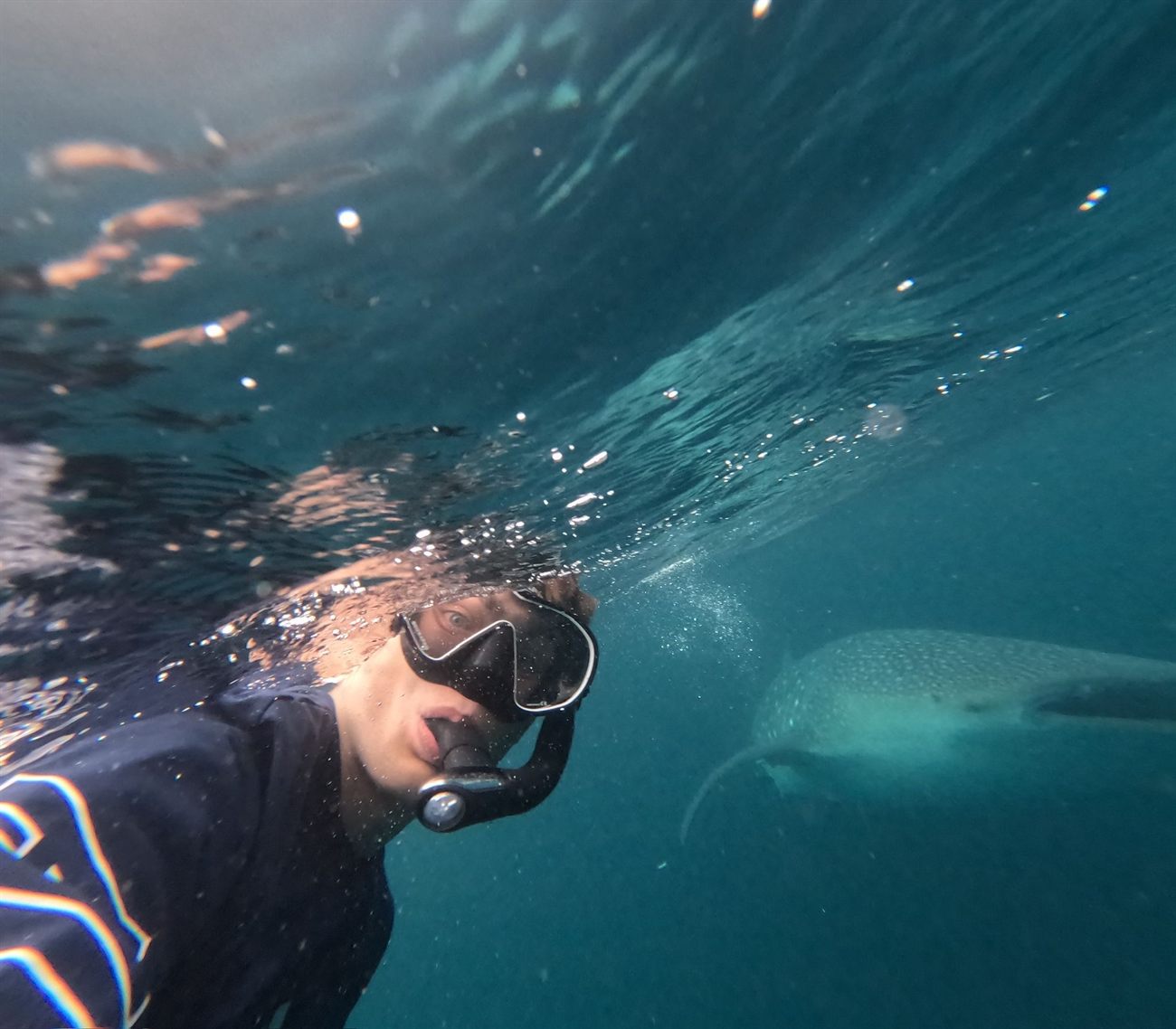
Nabire doesn't look like a classic tourist destination at first — and that's part of what makes it special. From here, you can reach one of Papua's most remarkable marine experiences: whale shark encounters around the fishing platforms (often referred to locally as bagans) in the wider Cenderawasih Bay area.
If you are searching for Nabire whale shark swimming, a whale shark booking in Nabire, or Cenderawasih Bay whale shark logistics, this guide explains the practical side: transport from Nabire to the bay, local boat contacts, swimming with whale sharks, optional overnight, and return transport. We offer this as a separate fixed-price logistics option for independent travelers, not only as part of a longer Papua expedition.
From Nabire, boat trips to the bagans can be organized throughout the year. Sightings are never guaranteed anywhere in the world, but the odds here are considered strong — and moon phase can make a noticeable difference. Around darker nights (especially near new moon), the bagans often attract more fish, which can increase the chances that whale sharks stay longer.
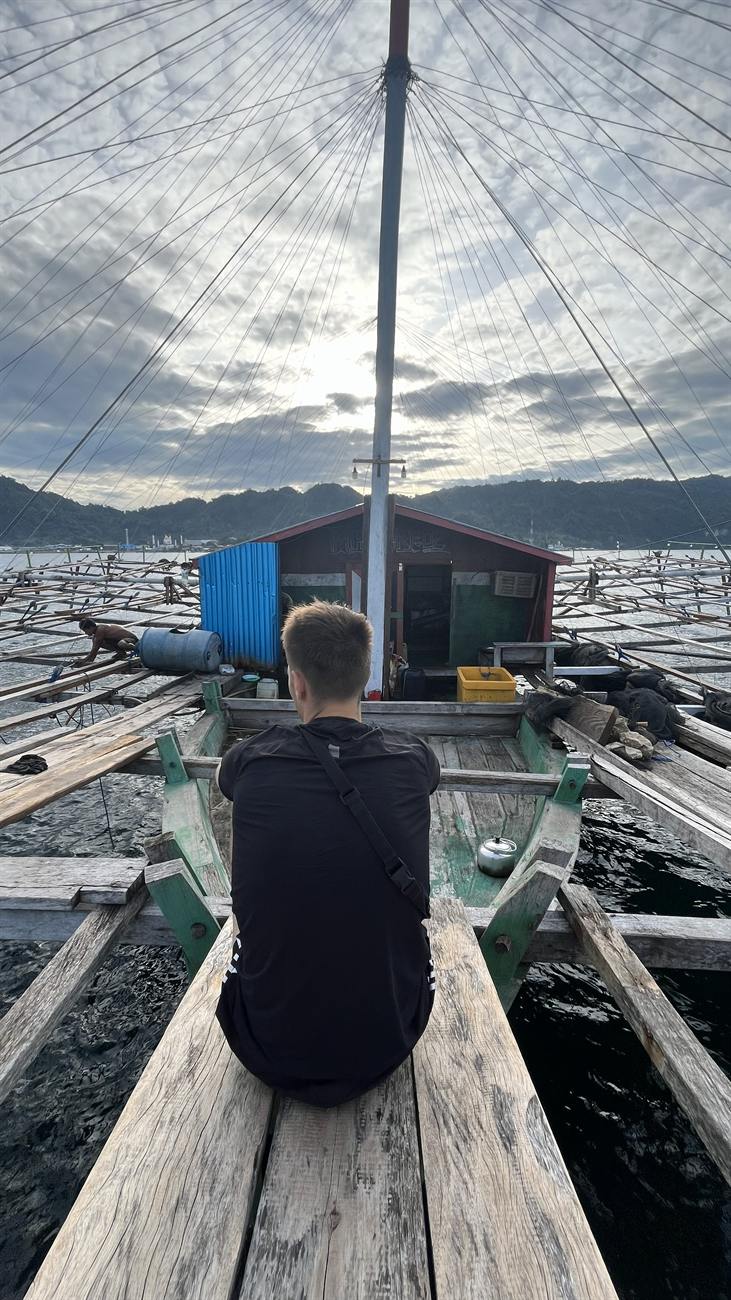
Our biggest practical takeaway: if your schedule is flexible, aim for calmer sea conditions and plan around the moon phase rather than choosing dates at random.
How to get to Nabire
There are a few common routes:
- PELNI ferry: can be an option, but schedules may change - confirm locally (often via Sorong).
- Flights from Jayapura: usually the most reliable choice.
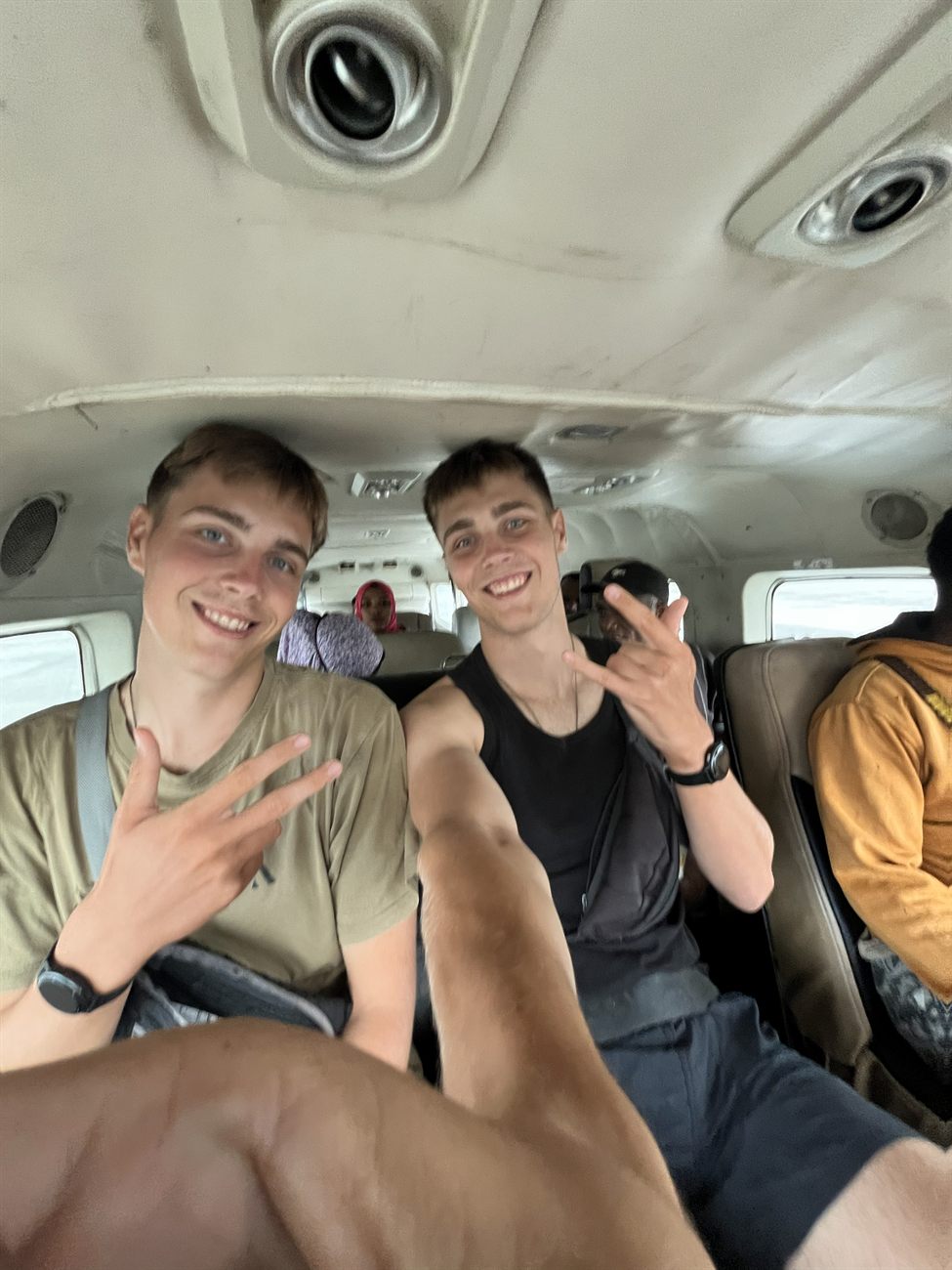
- Small propeller aircraft from places like Kaimana / Agats / Dekai: rare and often weather-dependent.
How the Nabire whale shark trip works
From Nabire airport to the bay, the drive usually takes around 2-3 hours by car, depending on road conditions and the exact departure point. Once you reach the coast, you can either stay in a simple homestay or hotel, or continue by boat to a lost-place water hotel. That abandoned water-hotel experience is unusual, raw, and honestly one of the craziest parts of the trip - for adventurous travelers, we can highly recommend it. The platform was originally linked to a wider whale shark center project in Cenderawasih Bay; you can read more background in this Pertamina International Shipping article.
Important to know: the project has been abandoned for more than a year. The water platform still exists, but it is not maintained as accommodation. There are no beds and no hotel service, so you need to bring or organize everything you need yourself: sleeping setup, food, water, and basic comfort items. Think of it as a rough adventure base, not a functioning hotel.
The next morning, our team organizes the full transport to the fishing platforms on the water, locally called bagans. This is where the whale sharks often come close to feed around the fishermen's nets, and where the swimming experience usually takes place. Under good conditions, an average day often means around 5-6 whale sharks; on stronger days, sightings can be more than 10 animals.
The area can also surprise you with other wildlife. We often experience sightings of hammerhead sharks and marlins, so the boat time itself can already feel like a real ocean expedition. After the whale shark swim, an additional snorkeling trip can be arranged depending on your timing, energy, and conditions before the transport back to Nabire.
Booking Nabire whale shark logistics with us
You travel to Nabire independently. From there, we help with the part that is often hardest to arrange from outside Papua: airport pickup or ground transport to the bay, local coordination, overnight planning, boat access to the whale shark area, optional snorkeling, and the return plan back to Nabire. You can see the current setup and fixed pricing on our Nabire whale shark details page.
This works best for travelers who are comfortable with a simple, local setup and want clear logistics instead of a staged tour. Tell us your rough dates, group size, and whether you want to plan around moon phase or add buffer days for weather.
Plan your Nabire whale shark swim
Send us your dates and group size. We can help with transport from Nabire, overnight options, boat logistics, whale shark swimming, and optional snorkeling.
Kaimana: spectacular, but not equally reliable all year
Kaimana is a different kind of highlight. In and around Triton Bay, the scenery can be stunning, and with good conditions you may also encounter dolphins and vibrant reefs.
But compared to Nabire, Kaimana is much more sensitive to season and sea state. In our case, we visited at the end of August and it felt clearly "windy": rougher water, unstable weather, and no whale shark sightings for us. That's why we eventually decided it made more sense to return to Nabire — even though Kaimana is incredibly appealing in terms of landscapes and culture.
When to consider Kaimana
If your priority is calm water and better day-to-day chances for marine activities, it can be worth aligning your route with local conditions and planning Kaimana for months that tend to be calmer. The difference between "spectacular" and "frustrating" here can come down to timing.
Quick sea-time summary
- Nabire (Cenderawasih Bay area): generally possible year-round; moon phase can improve the experience.
- Kaimana (Triton Bay): can be more seasonal; rougher periods can reduce comfort and chances.
Bonus for divers and ocean lovers
Across many parts of Indonesia (including Papua), sea conditions and visibility can vary strongly through the year. If diving or snorkeling is central to your trip, it's worth building your itinerary around the calmer windows — and leaving buffer days for weather surprises.
Raja Ampat: getting there, fees, and a smooth arrival
Raja Ampat is usually reached via a flight to Sorong. From there, you continue by boat to Waisai, the main town in the island group. Depending on the day of the week and the season, there are often departures around mid-morning and early afternoon, and the crossing typically takes around two hours — but schedules can change, so always double-check close to travel day.
Arriving in Waisai and park fees
In Waisai, you'll need to arrange the local marine park/visitor permit before continuing onward. Fees and payment procedures can change over time, so treat any number you hear (including this one) as "typical, but not guaranteed". At the time these routes were commonly discussed, many travelers reported a fee around IDR 1,000,000 for international visitors.
From Waisai, you'll travel on to your accommodation. Often the accommodation can organize pick-up; otherwise there are local boats that function like water taxis.
One simple tip that saves stress: confirm your pick-up plan with your accommodation before you arrive in Waisai, otherwise it's easy to feel stuck at the harbor.
Arrive, breathe, and look around
Once you reach your bungalow, you understand why Raja Ampat has the reputation it does. The water can look unreal, and even from the jetty you'll often spot wildlife — not only in the sea, but also in the trees. In our camp, we were visited at night by a cuscus, a nocturnal climbing marsupial found in parts of Papua and the Maluku region. Encounters like that make it clear how unique this place is.