Timor Leste
Arrival, first impressions, and a feeling all its own
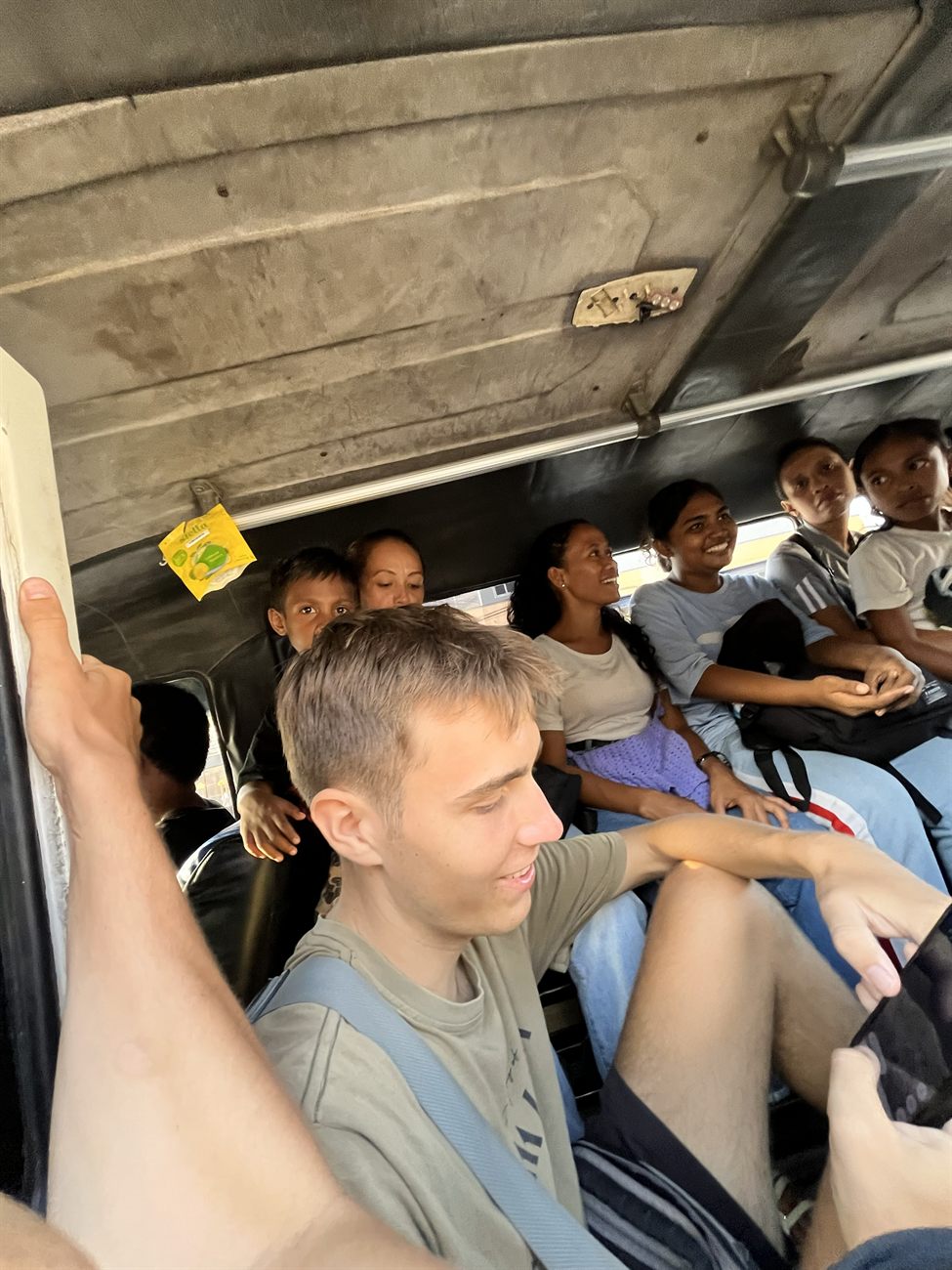
Timor Leste isn't a country you stumble into by chance. There are only a handful of ways to enter?and that's exactly what makes it so exciting.
Getting to Timor Leste
There are direct flights:
- from Denpasar (Bali) — the easiest option
- from Kuala Lumpur (new)
- from Darwin (only occasionally)
- from Singapore (only occasionally)
We chose the overland route on purpose?because it felt like a small adventure. Our starting point was Kupang in Indonesia. From there, we took a bus on a roughly 12-hour ride to Dili.
Cost: about ?16 per person. If you like a bit of adventure, can handle some discomfort, and want to save money, crossing by land is a great choice.
Dili: different prices, different currency, different history
Once you arrive in Dili, you quickly notice that the price level is different from Indonesia. We searched for a while to find a place that felt affordable, and eventually landed at Casa Minha Hostel.
We paid $20 USD per night for a double room?because yes, Timor Leste uses the US Dollar.
Timor Leste is also the youngest country in Asia. It gained independence only in 2002, and you can feel that in everyday life?in infrastructure, and in the way people carry themselves.
Portuguese influence and daily life in Dili
The day after we arrived, we explored the city. Portuguese influence is everywhere?in architecture, language, and especially in the food.
Early in the morning we suddenly found really good bread rolls'something you don't necessarily expect in Southeast Asia.
Getting around: Bemo instead of taxis
The best way to move around Dili is the Bemo. In Dili alone there are 13 different lines, each with an easy-to-spot route number.
The best rule: no matter how far you ride, it always costs one quarter ($0.25). To get off, you simply tap a coin against an aluminum bar in the bus? and the driver stops. Simple, cheap, effective.

Fishermen, blue whales, and big plans
We eventually made our way to the harbor. After hours of asking around, we met three local fishermen who were willing to try something special with us: to swim with blue whales.
That possibility alone shows how raw and non-touristy Timor Leste still is. A lot runs through personal contacts, trust, and spontaneous agreements.
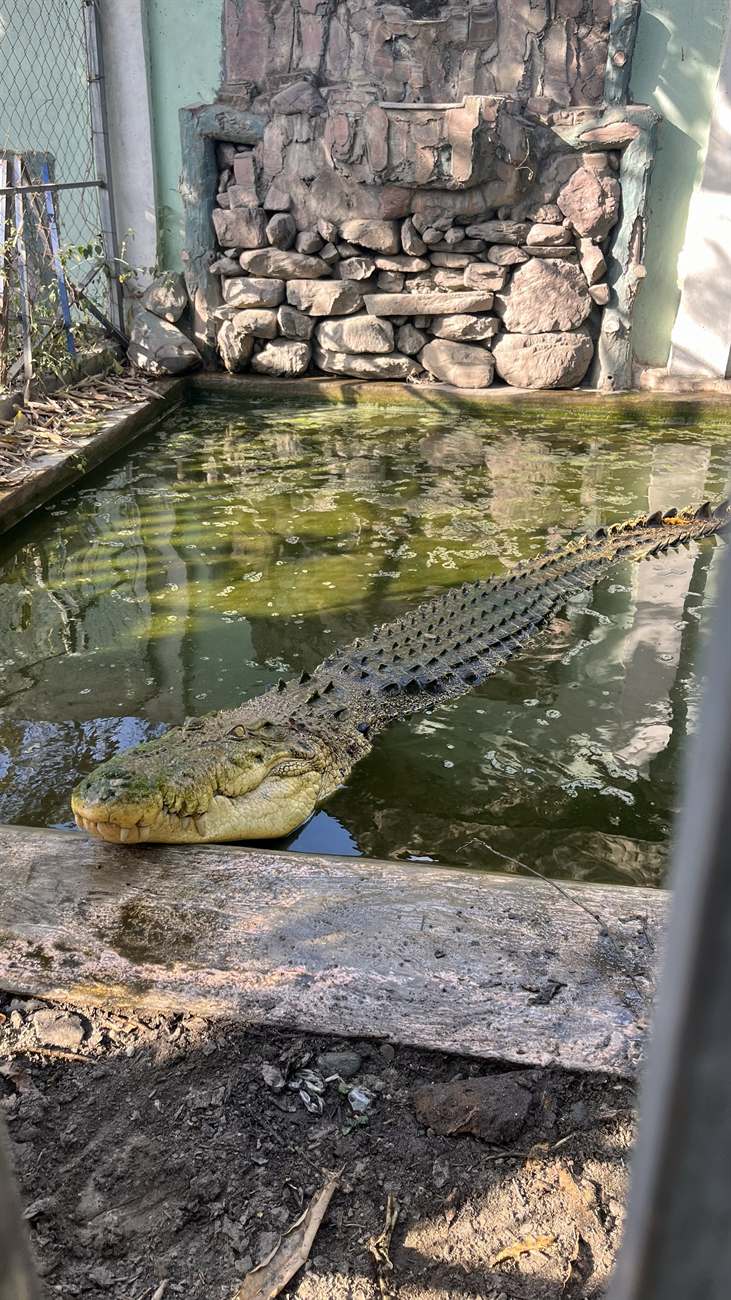
The crocodile: myth and heart of Timor Leste
We also learned something central about the country's culture: the importance of the crocodile. A well-known legend says Timor Leste was formed from a crocodile that swam here from Indonesia and eventually turned into land.
Crocodiles still carry strong spiritual meaning today. So much so that one police unit—the Batalhão de Ordem P?blica (BOP)—keeps three crocodiles as "pets". Visitors can see them, but as an "entry fee" you're expected to bring fresh or frozen chicken.
Exploring Timor Leste by scooter
If you have more time, exploring Timor Leste by scooter is highly recommended. You'll find empty, dreamlike beaches, rough and untouched nature, and above all: incredibly friendly, open people.
For us, that mix made Dili feel practical, warm, and still very far from a polished tourism circuit.