Why Timor Leste Is One of the Last Places to Swim With Blue Whales
A young nation, a powerful migration, and a culture shaped by the sea
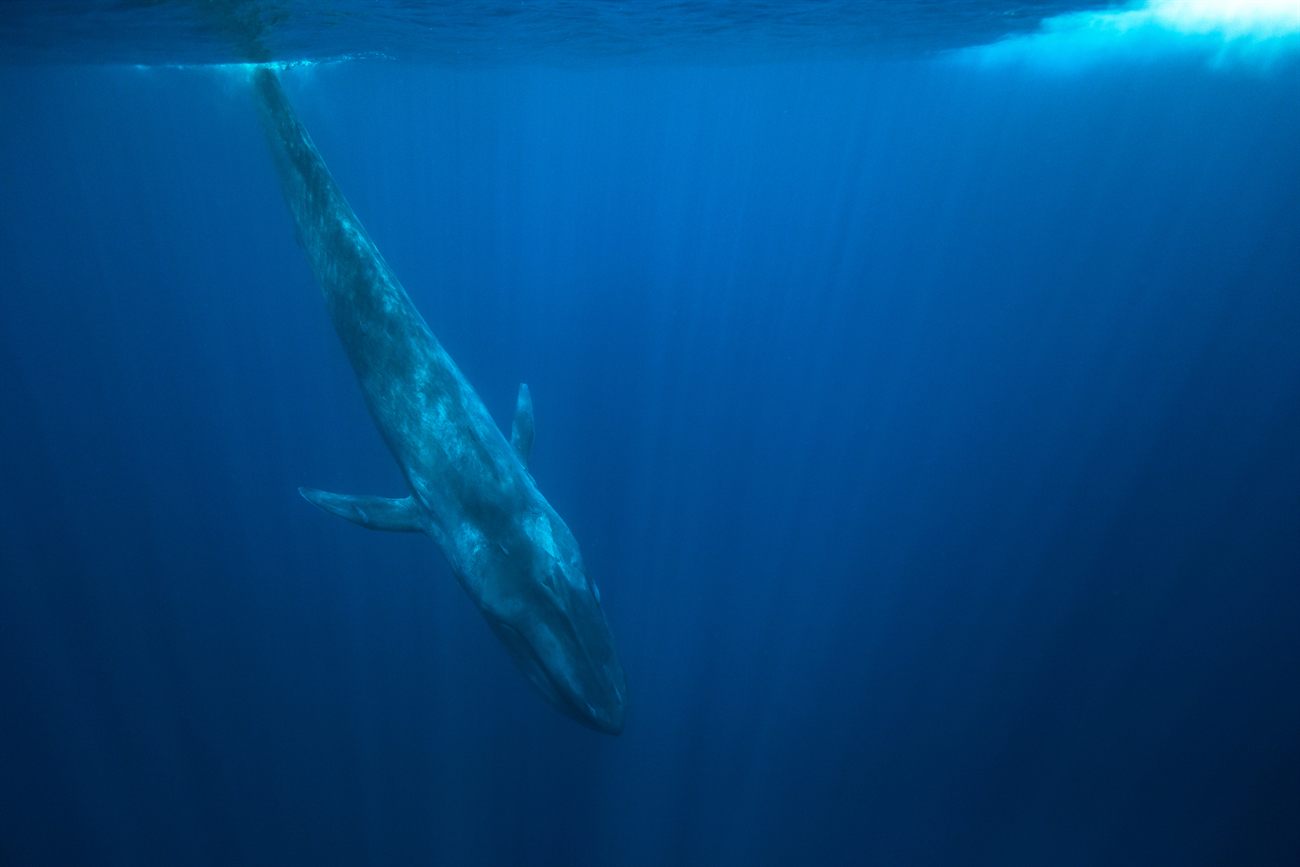
Timor Leste, also known as East Timor, is one of the most compelling places in the world for travelers who want more than a typical wildlife trip. It is a country with deep natural beauty, a recent history of independence, and one of the most extraordinary marine migration corridors on Earth.
It is also the youngest country in Asia. Timor Leste declared independence from Indonesia in 2002, which gives the country a modern identity shaped by resilience, local culture and a still-developing relationship with tourism. That younger national story sits alongside an older one: the sea, the myths, and the people who have lived in relationship with it for generations.
East Timor is a place where history and nature meet
When people say they are going to Timor Leste, they are often talking about more than just a destination. They are talking about a place where a nation is still defining itself, where old traditions remain alive, and where the ocean is not just scenery but a livelihood, a worldview, and a source of identity.
That is one reason the country feels different from many other marine travel destinations. You are not only looking for a marine encounter. You are entering a place shaped by community, local knowledge, and a very real respect for the natural world.
The Deepwater channel is where the migration begins
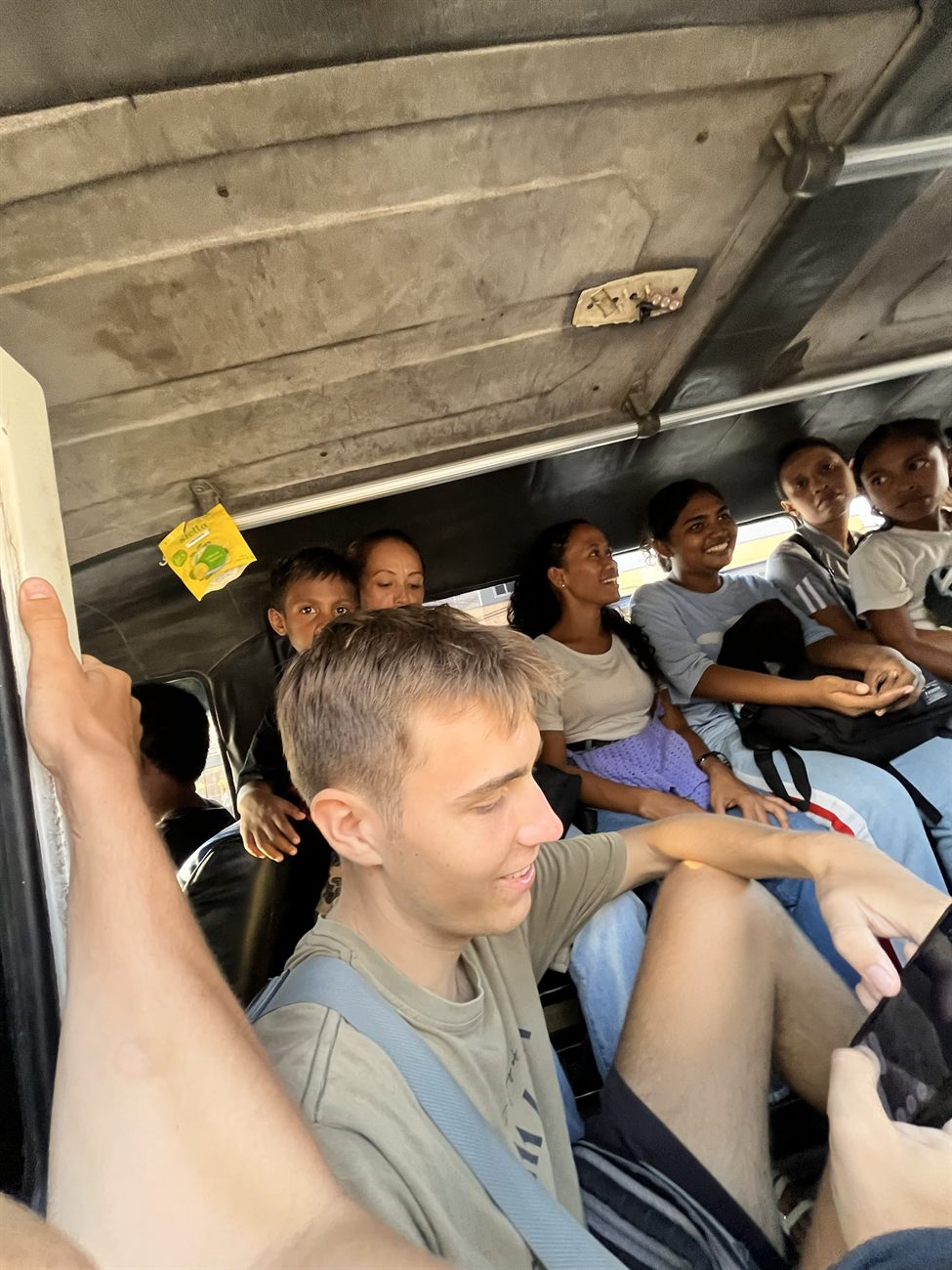
One of the biggest reasons Timor Leste has become such a remarkable place for blue whale encounters is its geography. The narrow deep-water channels between Dili and Atauro are part of an important migration route. As the whales move through this region, they pass close to shore in a way that makes the possibility of an encounter very real.
Many of the blue whales observed around Timor Leste are understood to be pygmy blue whales, a smaller subspecies of blue whale. They travel through these waters as part of a seasonal movement that connects the Banda Sea and the waters around Indonesia with the broader marine systems off Australia.
That movement is not random. It is seasonal, and it is strongly influenced by food, current, and water conditions. In many years, the main migration window falls roughly from early October through late November, with October and November commonly regarded as the strongest planning months for a focused blue whale expedition.
In good seasons, crews and observers can record several hundred blue whales moving through this migration corridor during the peak window.
There are years when the pattern is stronger or weaker, but the predictable rhythm is a major part of what makes Timor Leste so special for blue whale travelers. This is not a place where the whales appear by accident. It is a place where a carefully timed season, ocean structure, and migration route come together.
Dili and Atauro: where the search really happens
Dili is the practical base for many trip plans. It is where travelers arrive, where local crew and boats are organized, and where much of the logistical work begins. It is also the place that gives access to the deep-water corridor where blue whales are most often searched for.
Atauro adds another layer to the story. The island sits close to the most productive search areas and offers a different perspective on the ocean. Depending on the day, the crew may work around Dili, the deeper channel toward Atauro, or a wider search area chosen by recent sightings and current conditions.
The key point is that the whales move. Ethical operators do not fix a route and follow it blindly. They read the water, watch for blows and behavior, and choose a search area that is practical, respectful and safe for both the animals and the guests.

Blue whales are not the only extraordinary marine life here
Timor Leste is not only a blue whale destination. It is a place where the larger marine ecosystem is genuinely rich. Alongside blue whales, the waters around Dili and Atauro may also hold dolphins, sperm whales, orcas, manta rays, giant sea turtles and other marine life. In some seasons, the broader encounter list can be surprisingly varied.
That matters because an expedition is rarely just about one animal. It is about being in a place where the sea still feels alive and unpredictable, where the marine world is broad and dynamic rather than tightly managed or staged.
For travelers who care about both wildlife and local response to the ocean, this makes Timor Leste especially exciting. It is not just “a place to swim with blue whales.” It is a place to understand how a coastal population relates to the sea, to the migration, and to the many species that call these waters home.
A culture of respect for the sea and the crocodile myth
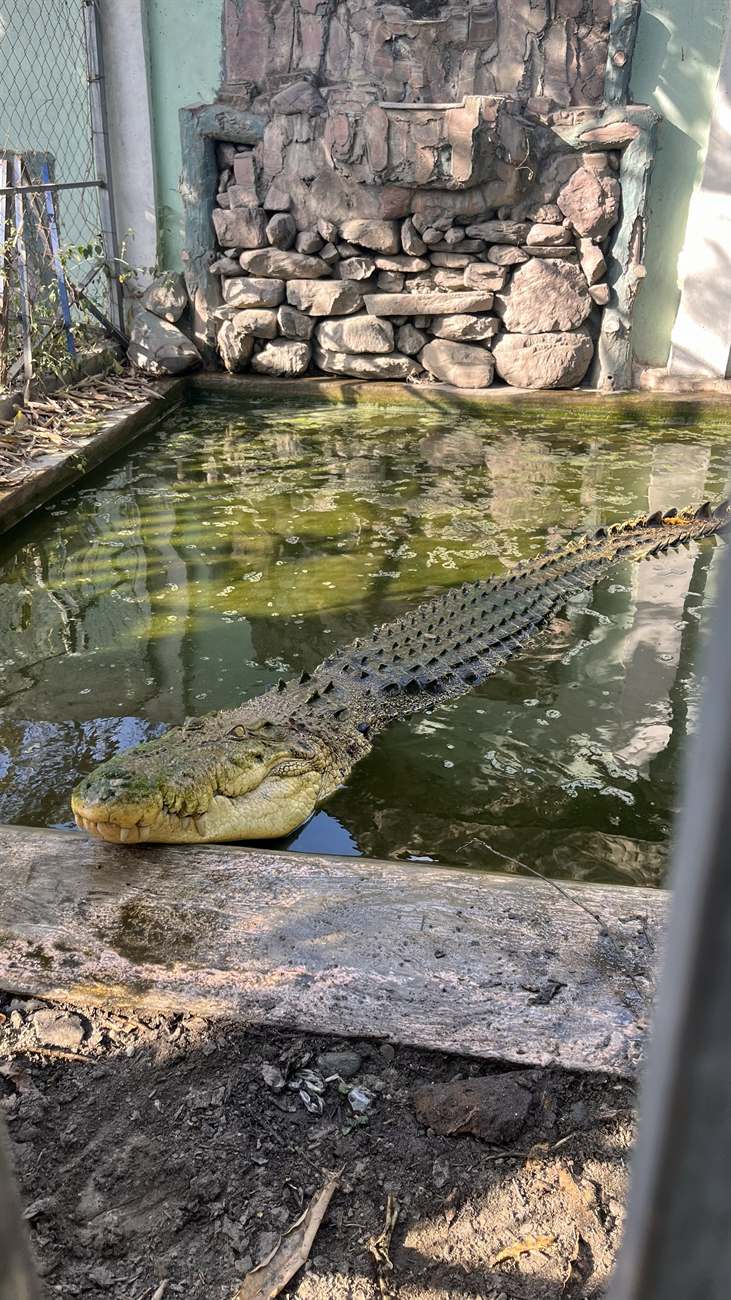
One of the most interesting cultural details in Timor Leste is the relationship people have with the crocodile. The story is that the country was formed from a crocodile, and for many communities the crocodile is more than wildlife. It is an ancestral presence and a symbol of creation, identity, and deep spiritual relationship to the land and the water.
That story is not just myth. It is a window into how the people of Timor Leste understand the world around them. There is a sense that the natural world is not separate from people. It is linked, sacred, and part of daily life.
That mindset is also visible in the relationship many coastal communities have with the ocean. Fishing, weather reading, boat handling, and local knowledge are not secondary to travel. They are the foundation of how people live alongside the sea.
Atauro and local traditions: ocean knowledge from real communities
Atauro is a particularly good example of how important local skill and ocean knowledge are in this region. Several communities on the island have long traditions of fishing and seamanship, including spearfishing and long breath-hold practices. Their relationship with the ocean is practical and highly refined.
Travelers arriving in Timor Leste often discover that this is not a place where marine wildlife is just consumed as a spectacle. It is a place where communities know the ocean intimately, and where a respectful encounter is as much about listening and learning as it is about seeing.
That is part of why ethical whale journeys matter so much in Timor Leste. The ocean is not a backdrop. It is a living system, and the best encounters come from a balance of skill, respect, and patience.
Why blue whales are so special here
Timor Leste is one of the last places in the world where it is still possible to encounter some of the largest animals ever known to exist in a setting that is still grounded in local knowledge and wild conditions. That is rare. It is part of what makes the experience so meaningful.
Blue whales are exceptionally sensitive compared with many other whale species. They can be skittish, easily disturbed, and highly responsive to approach style and pressure. That is why responsible guidelines are not optional extras. They are the foundation of an ethical interaction.
In Timor Leste, the official guidance around blue whale encounters is an important part of making the experience possible in a responsible way. The general framework includes limiting boats, keeping group sizes small, avoiding pressure on calves or nursing animals, and ensuring that the decision to enter the water is made based on the whale’s behavior rather than a desire to force an encounter.
How Twin Expeditions approaches the encounter
At Twin Expeditions, the goal is not to chase a spectacular moment. The goal is to build an ethical and sustainable encounter that respects the animal and gives the guest a chance to observe a whale in a calm, responsible setting.
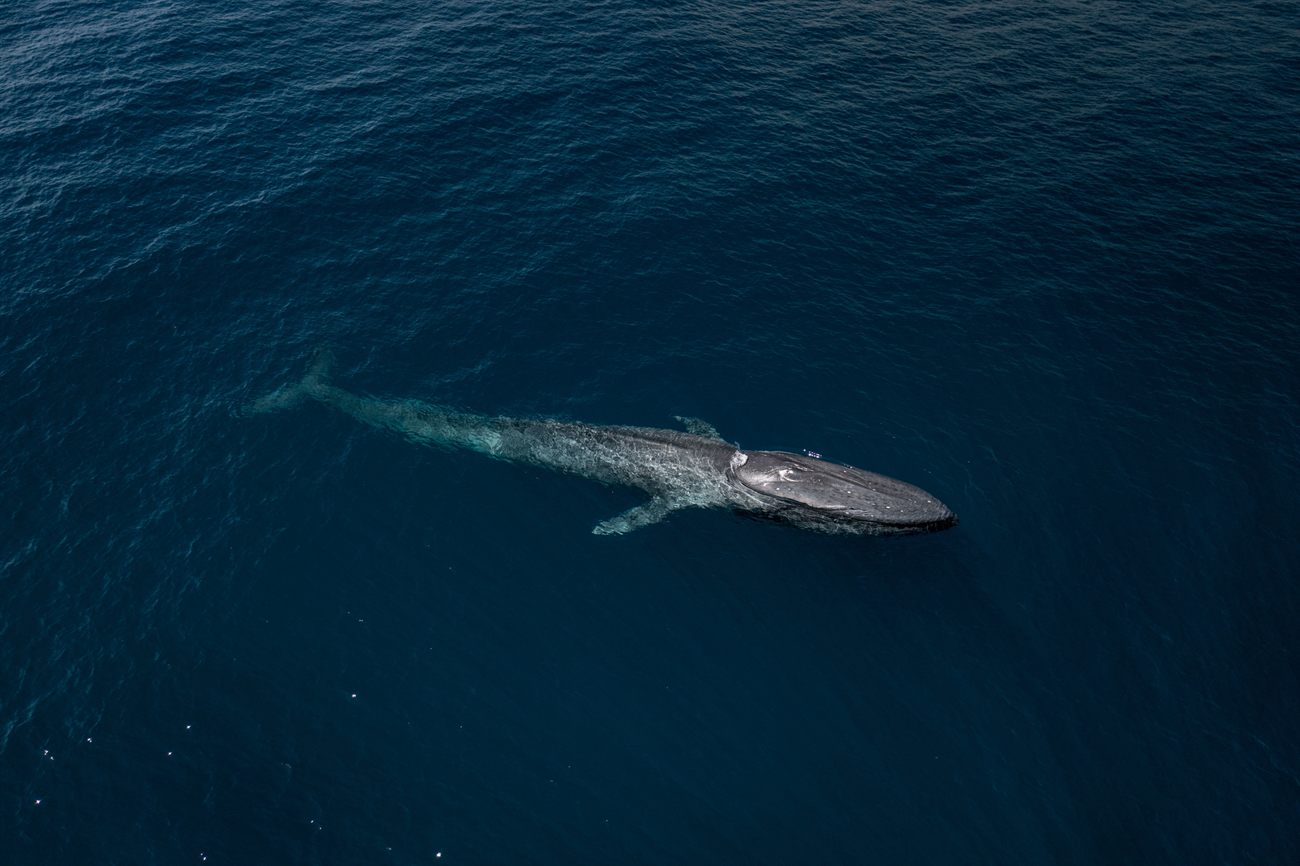
The process is simple, but demanding: early departure to use the best conditions; a careful search for blows, fins, or surface activity; drone support when useful; reading the whale’s direction and behavior; and then positioning the boat so that the swimmers can enter only when the conditions are right.
That is where the science of the trip and the ethics of the trip meet. The boat goes quiet, the swimmers prepare, the drone can help read the animal’s direction from above, and the decision to enter is made only when the whale’s behavior supports a calm, safe approach. No crowding, no pressure, no forced proximity.
A day on the water often looks like this
A blue whale day in Timor Leste often begins before sunrise, when the sea is usually calmer and the crew is looking for the most workable conditions. The team is up early, watching for blows, movement, and the direction of the whale. If a whale is located, the boat is positioned carefully and the group waits for the right moment to enter.
The swimmers then prepare with fins, mask, and snorkel. The boat can be used to hold position and the drone may help show the whale’s direction from above. This is not a chaotic free-for-all. It is a measured, respectful process built around safety and the animal’s behavior.
In a small group, the experience can be incredibly powerful. There are only a few people in the water, the engine is off, and the attention is entirely on what is happening in front of you.
Why this matters for travelers
When people travel to Timor Leste to swim with blue whales, they are not just booking a trip. They are entering a place where wildlife, culture, and ocean history are deeply connected. The opportunity is special because it is fragile, and because it depends on good judgment, proper conditions and ethical rules.
That is why a serious blue whale trip should be thought of as both an adventure and a responsibility. The experience can be unforgettable, but it should never be built around crowding, unnecessary pressure, or any attempt to force a close encounter. The best trips are the ones that leave the whale in control of the interaction.
Read the full guide
If you want a practical overview of the season, the place, the safety rules, and how an ethical blue whale trip actually works, read our full guide here: Swim with Blue Whales in Timor Leste.