Malaria and Dengue Fever
Two diseases we didn't plan for — and why Papua demands respect
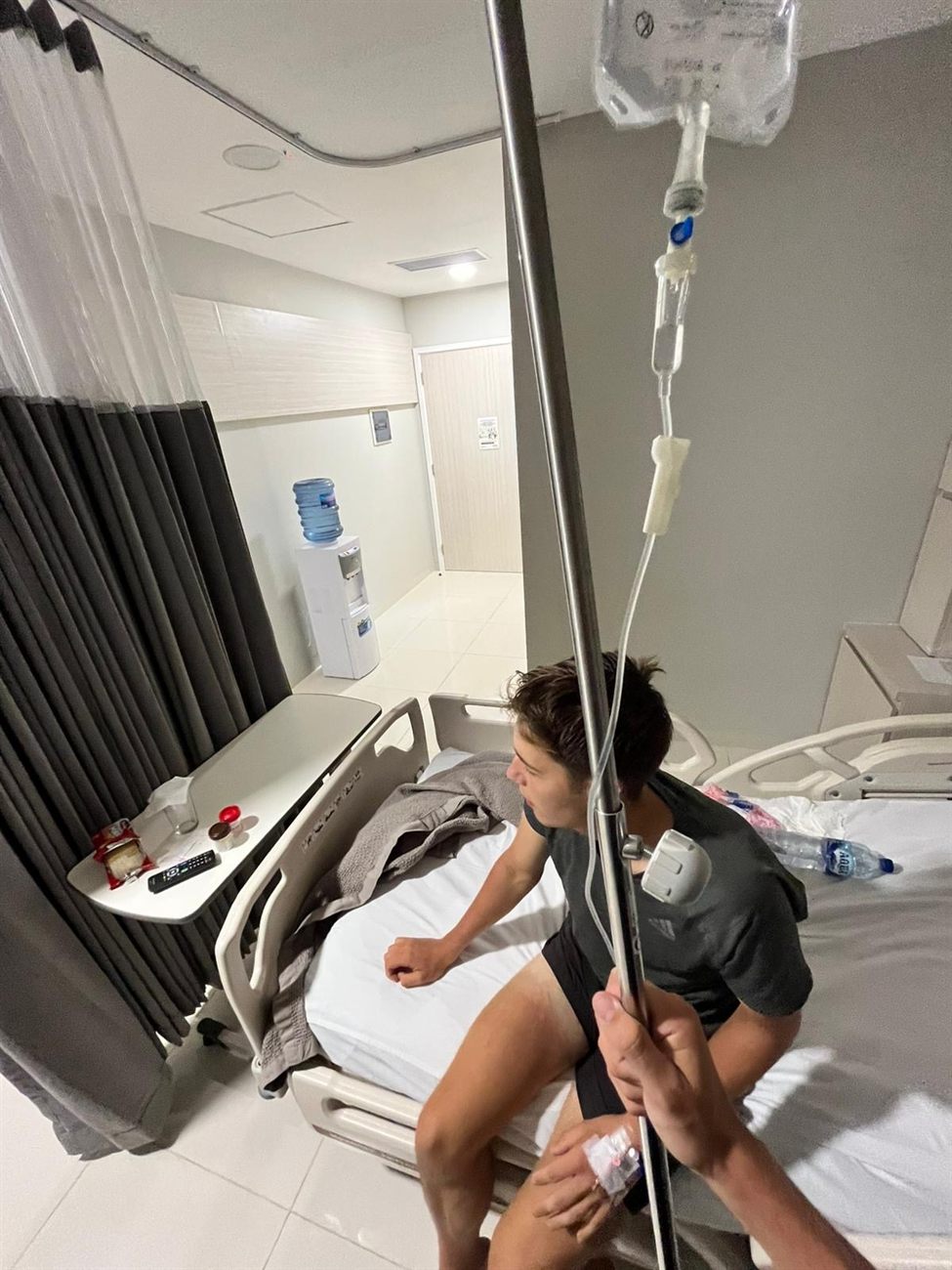
Malaria and dengue fever — two of the most feared diseases in Papua. And yes, we each caught one of them.
Jokes aside, there was absolutely nothing funny about it.
Dengue fever: my experience
For me, it started suddenly with intense shivering attacks. I was freezing so badly that I needed multiple blankets, even with room temperatures above 25°C.
- Complete loss of appetite
- Constant exhaustion
- Sleeping almost all day
I was convinced it had to be malaria. In Kaimana, I went to a small hospital, but the malaria test came back negative. We continued traveling to Nabire, and while I was still extremely weak, I was technically able to move.
After several days to about a week, the symptoms slowly improved. What remained were:
- Persistent cough
- No appetite at all
- Zero energy
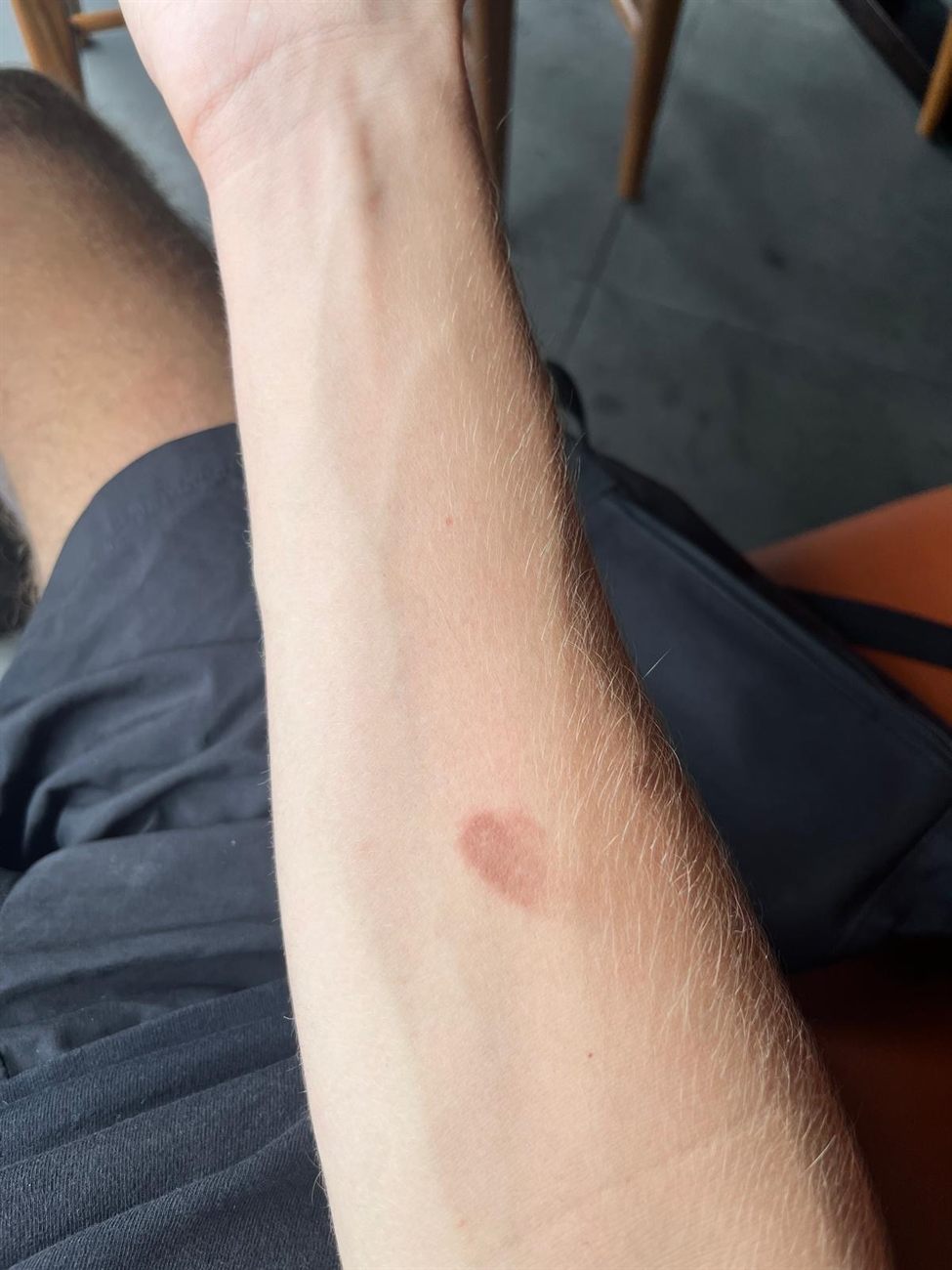
- A skin rash that still hasn't fully disappeared
Typical dengue symptoms include severe joint and limb pain, intense headaches, very high fever (mine reached up to 40°C), and extreme pain behind the eyes.
Dengue fever is not a harmless illness. Period.
Malaria: Gerret's experience — and why it was dangerous
What Gerret experienced went far beyond that. It started in Raja Ampat with repeated vomiting, complete loss of appetite, constant sleeping, and a yellowish discoloration of his face.
At first, we assumed it was either the same illness I had or a food-related infection. After returning to Sorong and seeing no improvement for two days, we flew on to Ambon.
Only there did we go to a hospital — and that was almost too late.
The test was positive for malaria tropica, the most dangerous form of malaria. The main risk is severe dehydration, as any intake of food or liquids is immediately lost again.
- Critically low red blood cell and platelet levels
- Severe gas buildup in the abdomen
- Extreme physical weakness
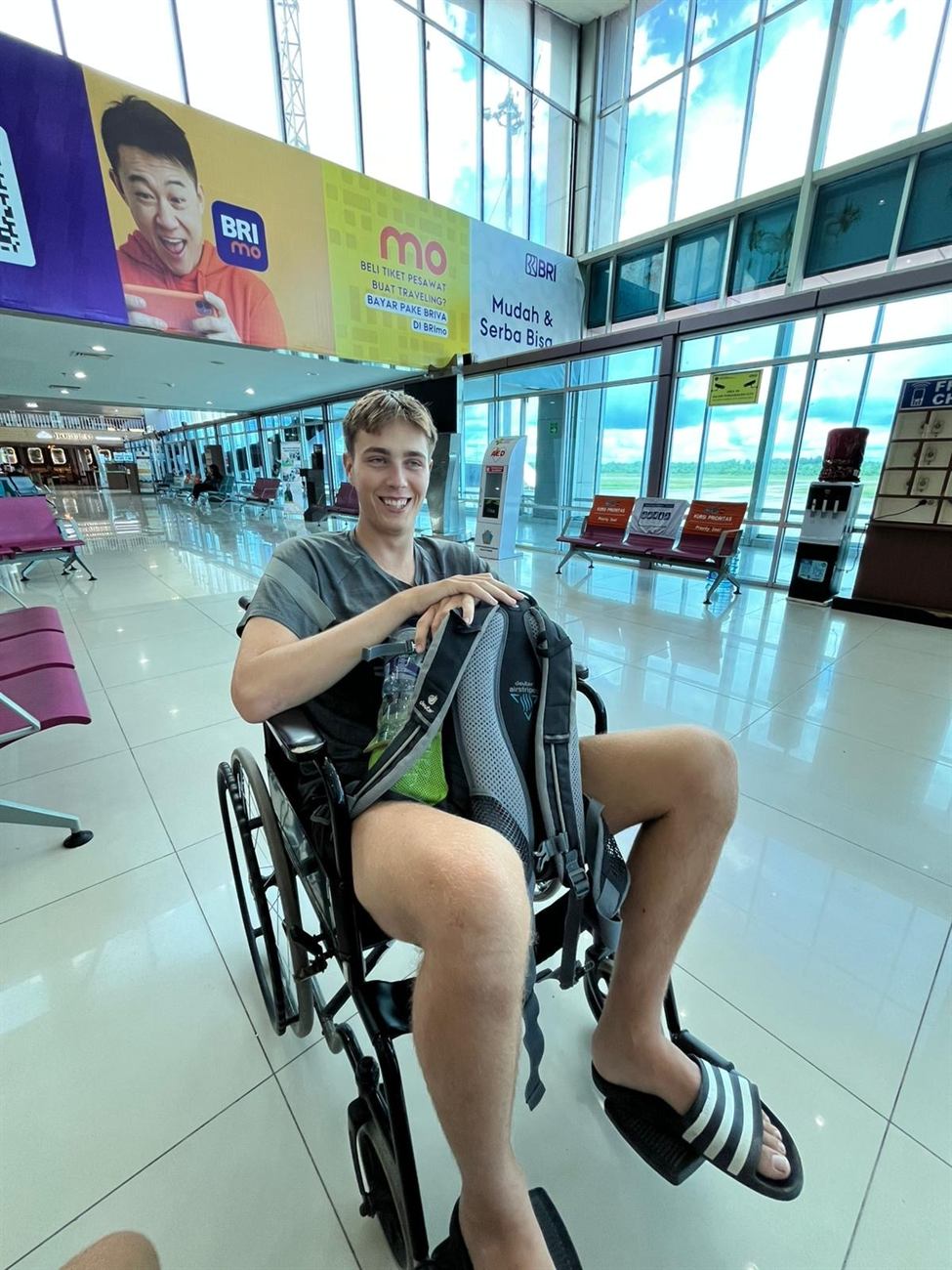
We stayed in the hospital for five days before he was discharged. Even afterward, normal travel was impossible. Small efforts — a short walk or a slight incline — forced him to lie down again.
Health insurance and prevention: our strongest advice
We had international health insurance. Without it, we would have faced serious problems.
Never travel to Papua without proper international health insurance.
Regarding malaria prophylaxis: yes, it makes sense if you can afford it and are informed about possible side effects. We didn't take it due to time and cost constraints.
Looking back, the malaria risk in Papua is extremely high. Every single person we spoke to locally had malaria at least once — often multiple times.
What we learned about health in Papua
Papua is not a typical travel destination. That's exactly why health risks should never be underestimated.
Mosquito prevention: essential, but not foolproof
- Strong insect repellent with high DEET concentration
- Long, breathable clothing, especially evenings and nights
- Mosquito net if accommodation doesn't provide one
- Mosquito coils or electric vaporizers
- Showering before sleep to reduce attracting scents
Even with all this: 100% protection in Papua is unrealistic. You can reduce risk — but not eliminate it.
High-risk areas (from our experience)
- Remote jungle regions
- Mangrove areas (Asmat region, parts of Kaimana)
- Places with stagnant water
- Small villages with very limited medical access
In cities like Jayapura, Sorong, or Timika, basic medical care exists. In places like Dekai or Agats, every hour can matter in an emergency.
When to go to the hospital immediately
- High fever (around 39°C or higher)
- Severe chills
- Persistent vomiting
- Extreme weakness or confusion
- Yellowing of skin or eyes
- Severe joint, head, or eye pain
Don't wait. Don't google. Go to the hospital.
Our final thoughts on health and travel in Papua
Papua is wild, beautiful, intense, emotional, and unique. But it's not a place for carelessness.
With preparation, respect, and awareness, it can offer incredible experiences. Without those, it can become dangerous very quickly.
If this account helps even one person seek medical care earlier or prepare more seriously, then writing it was worth it.
Final reflection: Papua
Papua often feels like it should be its own country — not only because many locals wish for that, but because of its cultural diversity, languages, and entirely different realities of life.
It's less developed, less comfortable, and far less adapted. But also more honest.
Papua is not for everyone. But for those willing to embrace uncertainty, improvisation, and radically different ways of life, it's a place that leaves a lasting mark.