Arriving in Jayapura
Our first impressions of Papua
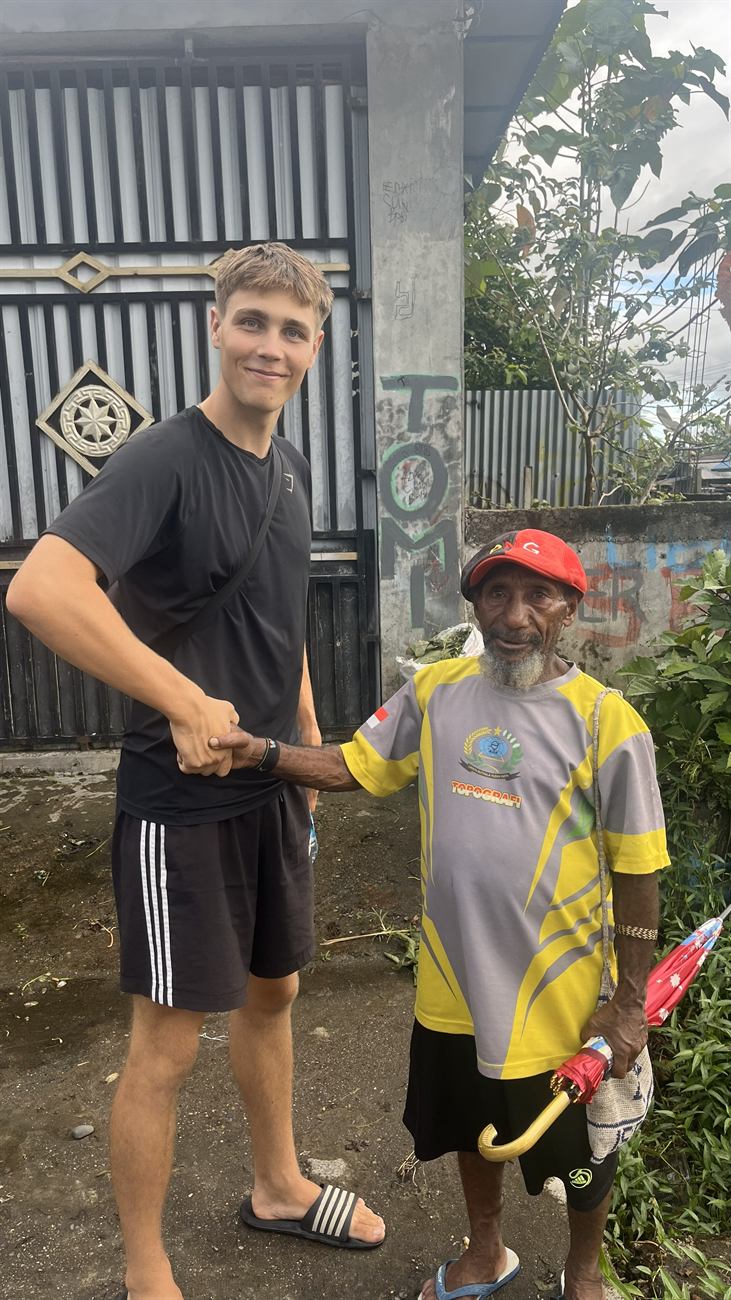
We landed in Jayapura early in the morning?and right away we faced our first small challenge: getting from the airport into town.
The airport isn't actually in Jayapura. It's in Sentani, about 25 kilometers away, which usually means around 45 minutes of driving.
From the airport into town
In Papua, getting around works differently than in most parts of Indonesia. Apps like Grab barely matter here. Instead, people use Maxim'or they rely on local transport.
We chose the most authentic (and cheapest) option: a Bemo. For 50,000 Rupiah per person, it took us to the city center.
If you're traveling with multiple people or a lot of luggage, Maxim can be worth it. Our tip is to leave the immediate airport area first? rides often can't be booked right at the terminal, and prices can jump quickly.
Where we stayed and how prices feel in Papua
We stayed at the Best Western Hotel Jayapura. At about ?20 per night, it felt like an excellent deal.
In general, we found accommodation in Papua surprisingly affordable. Even decent hotels and guesthouses can be cheaper than you'd expect.
Daily life, however, is noticeably more expensive than in other parts of Indonesia?like Java. A simple nasi goreng rarely costs under 30,000 Rupiah, and transport adds up quickly as well.
That creates an interesting dynamic: many Indonesians, especially from Java, come to Papua for better job opportunities and higher wages. We met countless Javanese people who couldn't find steady work back home and tried their luck here.
In the end, higher wages often meet higher living costs, and the financial advantage can be smaller than it first appears.
Renting a scooter and the language barrier
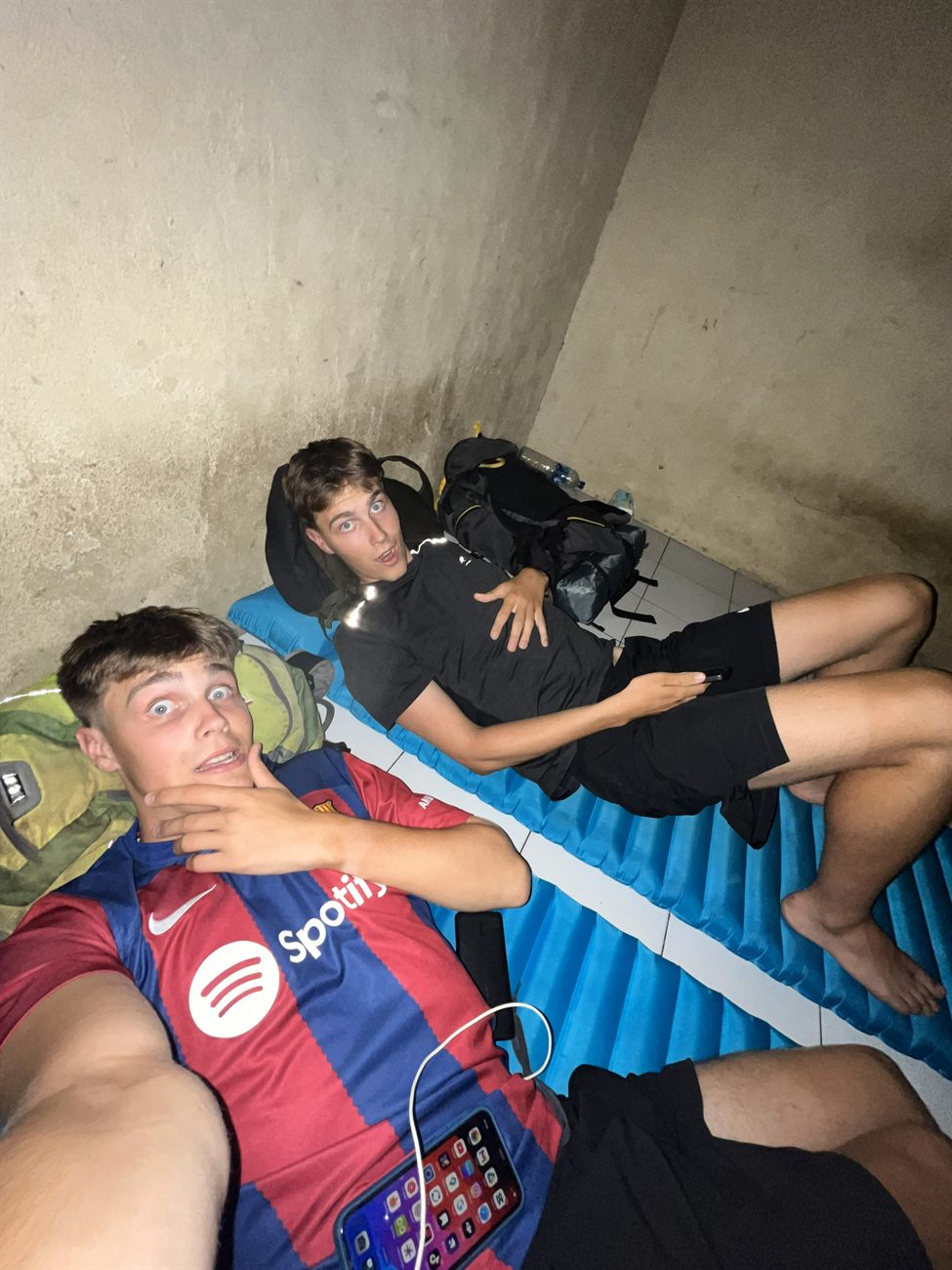
We rented a scooter through a new friend?one of the big benefits of staying open and connecting with people along the way. The price was 100,000 Rupiah per day, which is fair and standard.
One key factor in Papua is language. The barrier is significantly higher than in many other parts of Indonesia?even in cities like Jayapura.
If you only speak English, you'll hit limits quickly. We speak Indonesian fluently, so we didn't struggle in Jayapura? but we'd still strongly recommend researching which regions are easier to travel and which are not.
Even for us, things became challenging later, both linguistically and logistically. We'll share much more in our Korowai travel report.
Safety and atmosphere
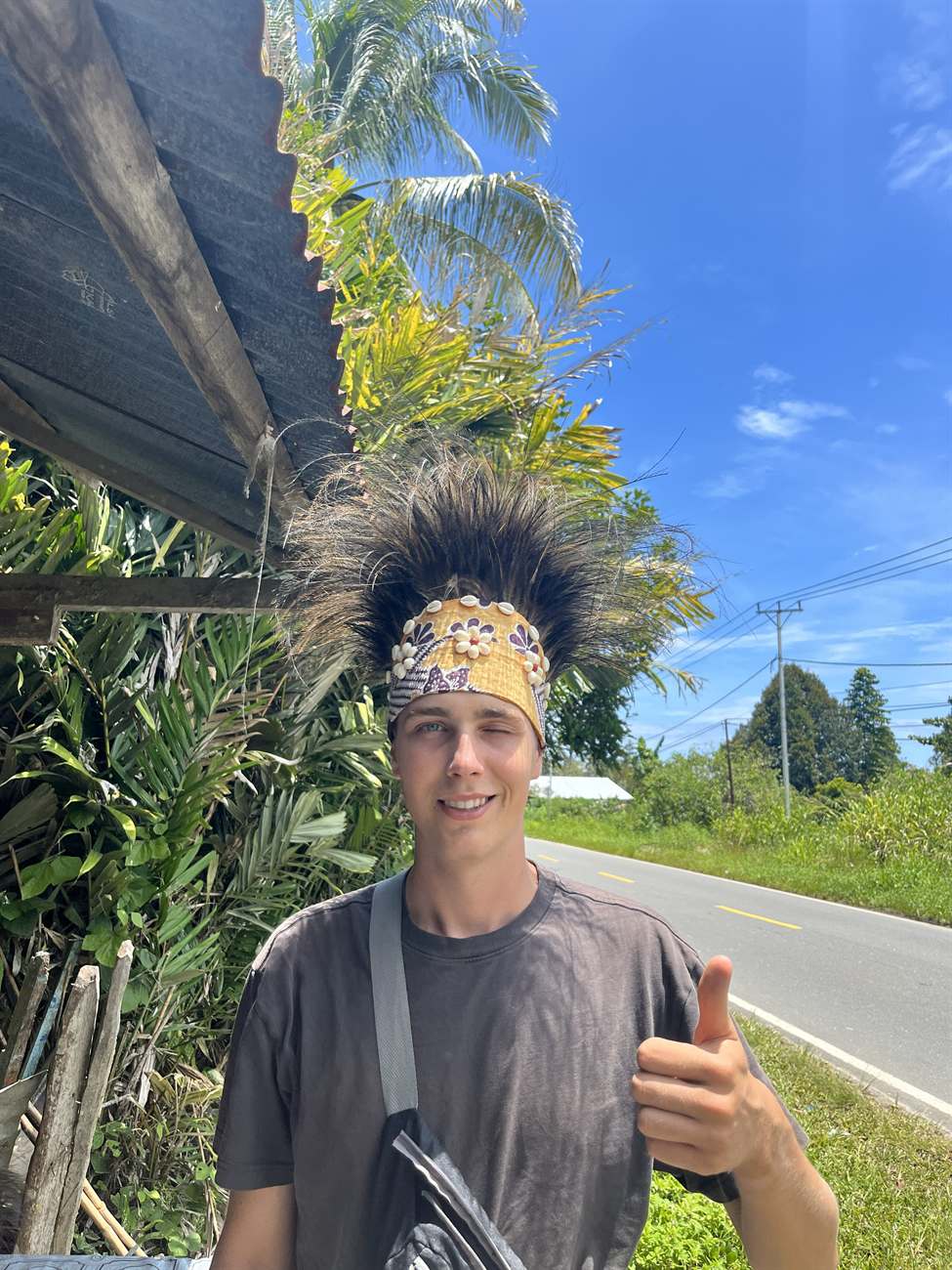
I felt very safe in Papua, especially in Jayapura. Despite the proximity to Papua New Guinea, the city has a diverse mix of Indonesians from many regions.
In more remote areas, it felt different. We noticed the looks from locals more strongly?not out of hostility, but mostly curiosity. Speaking the language and showing respect made a huge difference.
Goodbye and what came next
We spent two days in Jayapura. In the evening, we rode up to one of the well-known viewpoints above the city and looked out over the bay and the sea? a perfect moment to breathe.
At the same time, we were already preparing for the next big step: the flight onward to Dekai and our planned encounter with the Korowai. Whether the plan worked out the way we imagined is a story we'll tell in the Korowai travel report.